
Delivering the Science
Quantum programme is subdivided in five research work packages aiming to answer specific research questions. We will be investigating the chemical and microbial pathogenic composition of cattle and sheep and also be looking at how the composition of livestock-derived organic matter vary according to the production system and/or management. Our approach include the following:
WP1. Defining the chemical and microbial character of different livestock excreta.
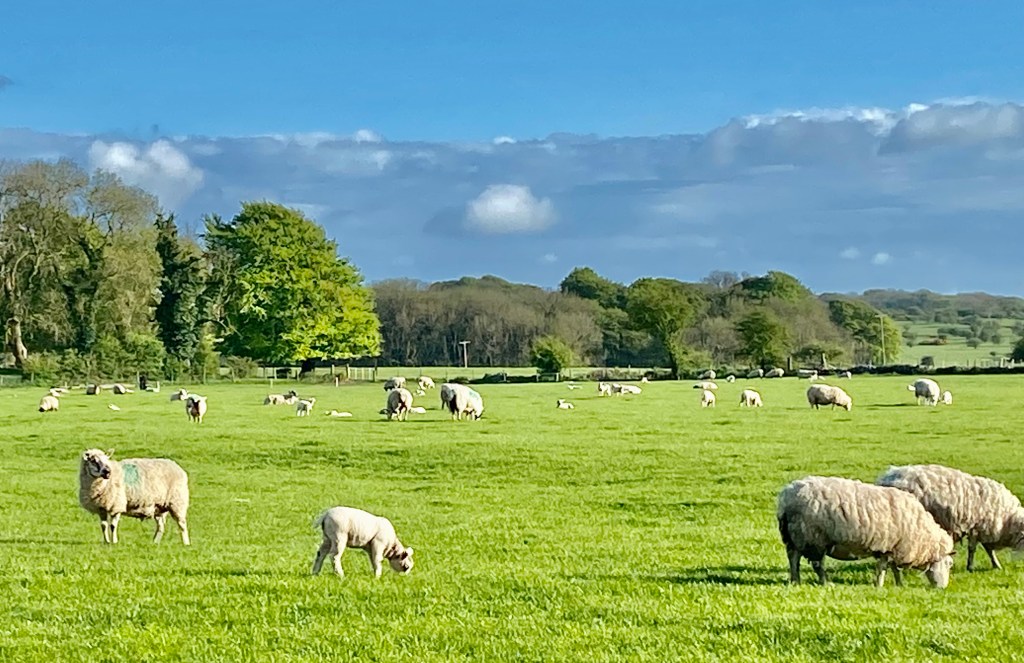
Collecting representative samples from sheep, dairy and beef cattle farms at university farms.
Linking up with the innovate UK and DEFRA funded slurry management programme ongoing at Harper Adams University.
Analysing samples to determine nutrient profile, organic matter composition for six key organic nutrient and six ecotoxin compounds, faecal biomarkers and microbes.
Subsamples will be sent to National Reference Management (Cawood Ltd) for nutrient analysis to allow comparisons under RB209.
Include at least one target identified in WP1 samples from each of the following in our WP2-4 experiments:
- nutrients (urea, amino acids, amino sugars, nucleotides)
- ecotoxins (antibiotics, antifungals, NSAOD, antiparasiticides/ antihelminthics, natural oestrogens).
WP2. Investigating livestock dissolved organic matter (LDOM) transformation
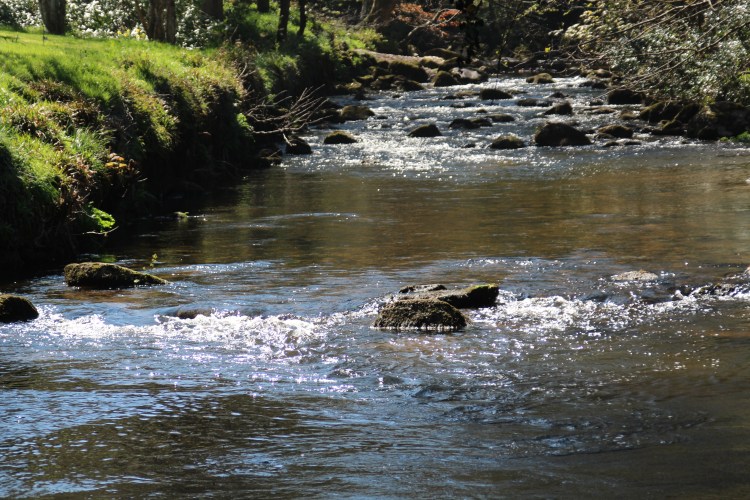
Catchment scale research will be undertaken to investigate:
The instream processes involved in the transformation of livestock dissolved organic matter (LDOM) according to their composition.
The stream organic matter pool composition transformation in response to hydrology and climate.
How the LDOM composition is transformed according to in-field management practices.
What are the exposure rates for LDOM targets under contrasting flow and management.
WP3. Tracking the ecotoxicological impacts of livestock dissolved organic matter (LDOM)
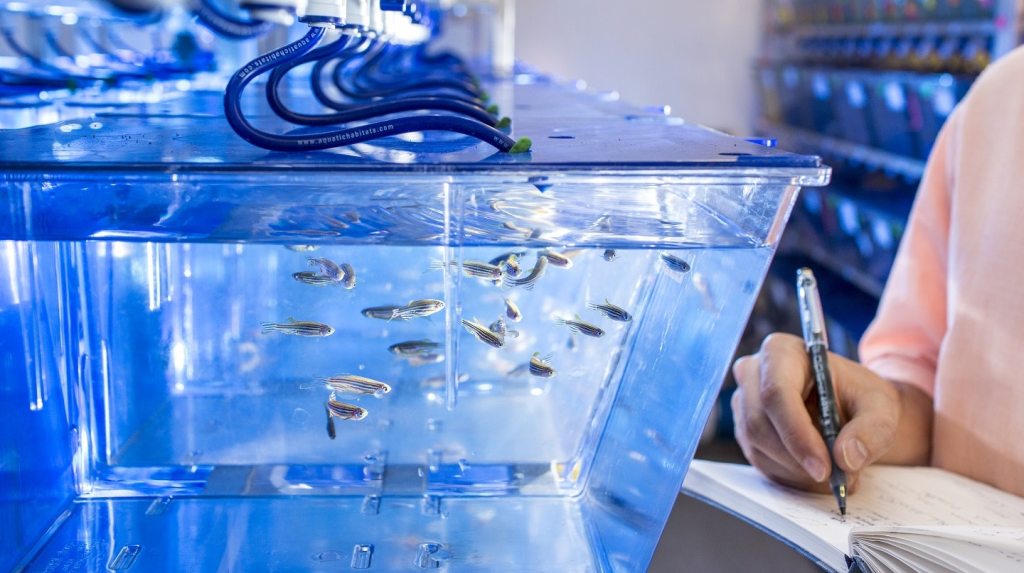
Investigation on what are the ecotoxicological impacts of LDOM on freshwater biota will be undertaken under laboratory and ambient conditions.
What are the toxicities of key compounds in livestock excreta (from (WP1) to freshwater biota?
What are the bioaccumulation rates and effects of key compounds in invertebrates and fish?
How does ecotoxicological impact on stream biota vary according to environmental character and function?
WP4. Nutrient isotope field experiments
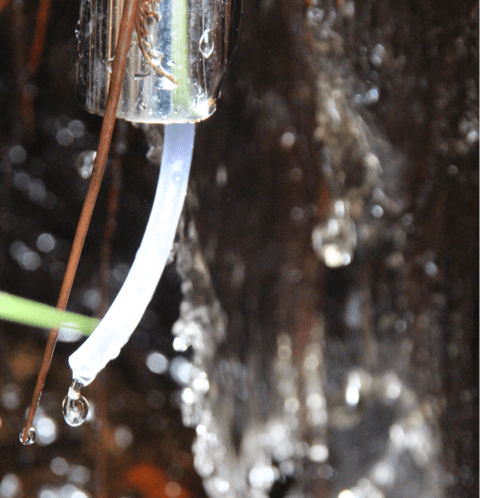
Determining the nutrient enrichment impacts of LDOM on freshwater biota using stable isotope probing.
We are particularly interesting in understanding how livestock organic matter nutrient uptake vary between different livestock excreta and chemistries.
Livestock dissolved organic matter bioavailability may differ according to environmental character and function and how does it varies.
How is livestock dissolved organic matter uptake modified by the matrices and interacting stressors in livestock excreta?
WP5. Developing pan-UK understanding and advice on the impacts of livestock as a driver of changing quality in UK rivers
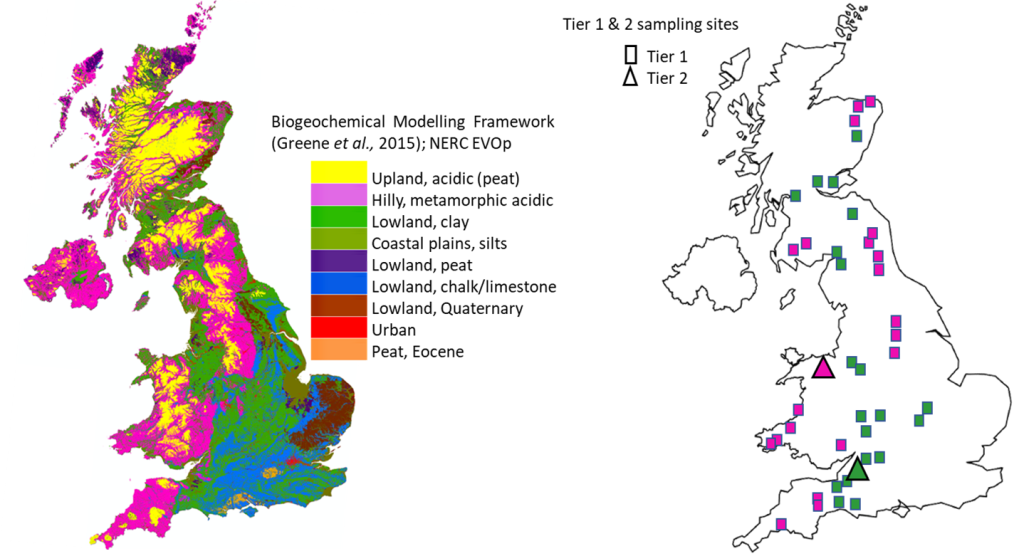
Sampling and analysis as in Tier 1, for 20 catchments of comparable environmental character.
HYPE model parameterisation linking specific chemistries from sheep versus cattle farming in differing environments, under ambient and climatically altered conditions to ecological and ecotoxicological impacts using Tier 1 outcomes.
Model validation using Tier 2, published and project partner data.
Scenario testing in consultation with our regulatory, industry and academic partners.

